
You’ve just paid for professional carpet cleaning. The cleaners packed up, you inspected the work, and everything looked acceptable while still damp. Then you came back the next morning.
Streaks. Patches. High-traffic areas that somehow look worse than before. Within 48 hours, the carpets are attracting dirt faster than they did pre-clean. You’ve disrupted the office, spent the budget, and now you’re fielding questions from staff about why the carpets still look terrible.
This isn’t bad luck. It’s the result of three specific mistakes businesses make when hiring carpet cleaners—mistakes that cost you money, time, and credibility. This article will show you what went wrong and how to prevent it before you sign the next contract.
The Frustration: Carpets That Look Worse Hours After the Cleaners Leave
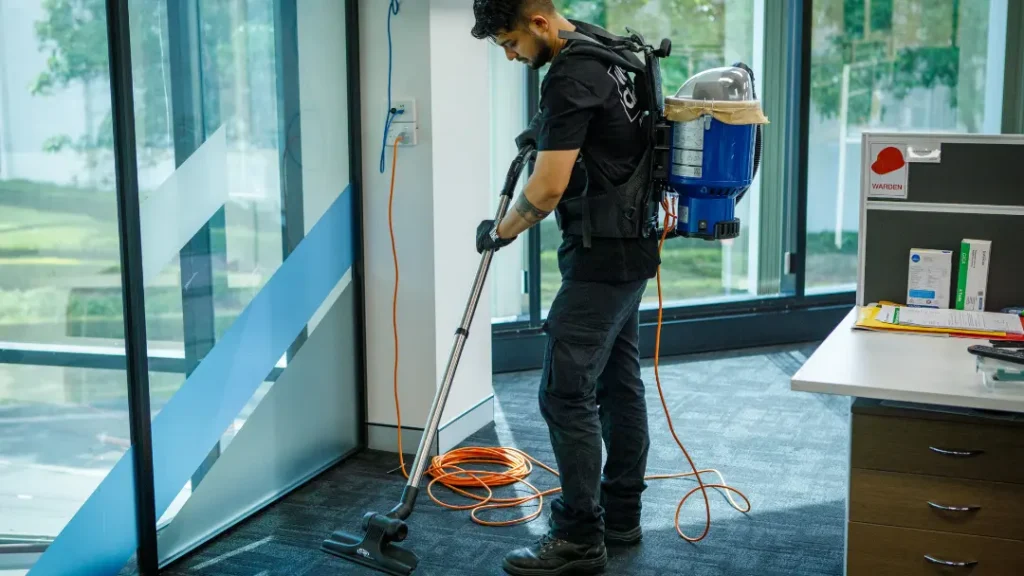
Here’s the scenario you recognise: cleaners arrive, set up equipment, work through the space, and leave. Carpets are damp but look reasonably clean. You lock up for the day.
Four to eight hours later, the problems appear. Streaky lines where the wand passed. Patchy discolouration in areas that were supposedly deep cleaned. Stains that were meant to be treated are still visible, sometimes more obvious than before. Worst of all, the carpets seem to attract dirt and foot traffic marks within days, not weeks.
The emotional frustration is real. You paid good money. You coordinated schedules. You trusted a professional service. Now you’re explaining to clients or senior management why the office carpets look like they haven’t been touched.
Have you ever wondered if the problem is your carpets, or the people you hired to clean them?
The answer is almost always the latter. The problem isn’t your carpets. It’s three specific hiring mistakes that lead directly to poor results. Once you understand them, you can avoid them entirely.
You Hired Based on Price, Not Process

Photo by Mikhail Nilov on Pexels
Choosing the cheapest quote is the single biggest mistake that leads to dirty-looking carpets after cleaning. This isn’t about being penny-wise. It’s about understanding what you’re actually paying for when you accept a quote that undercuts every competitor by 30%.
When a company offers the lowest price, something has to give. That something is usually training, quality chemicals, proper drying time, or pre-treatment of problem areas. Choosing a service based solely on the lowest price often leads to untrained staff, low-quality equipment, and high turnover, which translates directly into additional costs down the line.
The savings disappear fast. You’ll either need to hire someone else to fix the damage, schedule a re-clean within weeks, or replace carpets years earlier than expected. This isn’t about spending more for the sake of it. It’s about recognising the hidden costs of cheap quotes.
What ‘Cheapest Quote’ Actually Means for Your Carpets
When a company undercuts competitors, here’s what gets sacrificed: staff training, chemical quality, pre-treatment of stains, and adequate drying time. The cheapest quote for carpet cleaning services could indicate potential corner-cutting and risk to carpet integrity.
Cheap quotes often mean high staff turnover. You’re not getting experienced cleaners who understand fibre types, chemical ratios, and extraction techniques. You’re getting whoever was available that day, often with minimal training and no accountability for results.
The trade-offs are specific and measurable. Untrained staff use too much detergent because they don’t know the correct ratios. They rush extraction to finish faster, leaving moisture and residue behind. They skip pre-treatment because it takes extra time. Each of these shortcuts creates the exact problems you’re experiencing: streaky carpets, rapid re-soiling, and stains that won’t shift.
The Equipment vs. Expertise Gap
Many businesses are impressed by photos of industrial steam cleaners and truck-mounted systems in marketing materials. Equipment looks professional. It suggests capability.
But equipment means nothing without trained operators. Carpet cleaning companies must be evaluated based on the expertise of their personnel, not just their equipment.
An industrial steam cleaner in untrained hands can over-wet carpets, damage fibres, or leave behind residue that acts as a dirt magnet. The machine doesn’t know the difference between synthetic and wool fibres. The machine doesn’t adjust water temperature based on carpet age. The operator does—if they’ve been trained properly.
Did the company you hired explain how their team is trained, or just show you photos of their truck?
Why Untrained Staff Leave Residue Behind
Residue is the main reason carpets look dirty again so quickly. It’s sticky. It attracts new dirt like a magnet. Within days, your freshly cleaned carpets look worse than before the cleaners arrived.
What causes residue? Using too much detergent because the operator doesn’t know the correct chemical ratios. Not rinsing properly because they’re rushing to the next job. Poor extraction technique that leaves soap and dirt suspended in the carpet pile instead of removing it.
Trained cleaners understand the chemistry. They know how much product to use, how long to let it dwell, and how to extract it completely. They also know that faster isn’t better—thorough extraction takes time, and skipping that step ruins the entire job.
Companies that don’t invest in training can’t deliver residue-free results. It’s that simple. And residue is what makes your carpets look dirty hours after cleaning.
They Used the Wrong Method for Your Carpet Type

Photo by Engin Akyurt on Pexels
The second major mistake is assuming all carpets can be cleaned the same way. They can’t.
Different carpet fibres require different methods, water temperatures, and drying times. Synthetic carpets (nylon, polyester) handle hot water extraction well. Natural fibres (wool, sisal) can shrink, discolour, or become permanently damaged if treated the same way. Not all cleaning methods suit every carpet type, and using the wrong one can cause permanent damage or poor results.
Did your cleaner inspect your carpet type before quoting, or did they assume one method fits all?
Steam Cleaning Synthetic vs. Natural Fibres: Why It Matters
Synthetic carpets tolerate hot water extraction. The fibres are durable, heat-resistant, and dry relatively quickly. Natural fibres are a different story.
Wool carpets can felt or lose their shape when exposed to high heat and excessive moisture. Colours can bleed. Fibres can weaken and break down faster. Sisal and other plant-based fibres can shrink or develop water stains that never fully disappear.
When the wrong method is used, the damage is often permanent. You’re not just dealing with poor cleaning results—you’re dealing with carpets that need replacing years earlier than expected.
Experienced cleaners inspect carpet type before quoting. They ask about fibre content, age, and manufacturer recommendations. They adjust their method accordingly. If your cleaner didn’t do this, that’s why your carpets look damaged or poorly cleaned.
The Over-Wetting Problem That Attracts More Dirt
Using too much water or failing to extract it properly leaves carpets damp for too long. This creates two problems: mould and mildew risk, and rapid re-soiling.
Why do damp carpets attract dirt? Moisture pulls dirt from deep in the pile to the surface as it evaporates. Any residue left behind becomes a sticky dirt magnet. The result is carpets that look worse a few hours after cleaning—exactly the frustration described at the start of this article.
Proper technique involves controlled water use and powerful extraction. Carpets should be only slightly damp after cleaning, not soaking wet. They should dry within 6 to 12 hours with adequate ventilation, not 24 to 48 hours.
If your carpets were still wet the next morning, the cleaner over-wet them. That’s a technical failure, not a carpet problem.
When ‘Deep Clean’ Actually Means ‘Deep Damage’
Aggressive cleaning sounds thorough. In practice, it often means damage.
Too much heat, harsh chemicals, or excessive scrubbing can damage carpet backing, loosen fibres, or cause colour fading. The long-term cost is significant: carpets wear out faster, need replacing sooner, and may void manufacturer warranties if cleaned improperly.
Experienced cleaners know how to balance thorough cleaning with fibre protection. They adjust heat, chemical strength, and agitation based on carpet condition and age. They don’t use the same aggressive approach on a 10-year-old wool carpet that they would on a 2-year-old synthetic one.
Did your cleaner discuss your carpet’s age, condition, and warranty before starting? If not, they may have caused damage you won’t notice for months.
No One Defined What ‘Clean’ Actually Means
The third mistake is failing to establish clear expectations before the job starts. Lack of a clear and detailed scope of work can cause misunderstanding and inconsistent cleaning results.
Without this conversation, you and the cleaner may have completely different ideas of what ‘clean’ looks like. You expected spot treatment of coffee stains and pre-treatment of high-traffic areas. They did a general pass and considered the job done.
The Missing Scope of Work Conversation
A proper scope of work includes: which areas will be cleaned, what’s included versus what costs extra (stain removal, furniture moving, deodorising), frequency, and expected results.
What happens without it? Cleaners skip high-traffic areas because they weren’t explicitly mentioned. They ignore stains because spot treatment wasn’t in the quote. They rush through to meet their own undefined standard, not yours.
Example: you expected the reception area, meeting rooms, and corridors to be cleaned. The cleaner only did the reception area because that’s what they assumed ‘office carpets’ meant. You paid for a service you didn’t receive, and there’s no documentation to prove what was agreed.
Always get the scope in writing before signing a contract. If a company won’t provide this, walk away.
Pre-Treatment, Spot Work, and Drying Guidance: What Should Be Included
A quality service includes: pre-inspection, pre-treatment of stains and high-traffic areas, appropriate cleaning method for your carpet type, thorough extraction, and post-clean guidance on drying time and traffic restrictions.
Many cheap services skip pre-treatment and spot work entirely. That’s why stains remain. They also skip post-clean guidance, which is why you didn’t know to keep foot traffic off the carpets for 6 to 12 hours or increase ventilation to speed drying.
Did your last cleaner provide any of this, or just show up, spray, and leave? If the latter, you didn’t receive a professional service. You received a rushed job designed to maximise the number of clients they could fit into a day.
Setting Realistic Expectations for Stain Removal
Not all stains are removable. Old dye stains, bleach damage, and permanent marks can only be lightened, not eliminated. Realistic stain removal expectations are important; some stains may lighten but not fully disappear.
Honest cleaners discuss this upfront. They inspect problem areas, explain what’s achievable, and set realistic expectations. This prevents disappointment and builds trust.
Companies that promise 100% stain removal are either inexperienced or dishonest. If it sounds too good to be true, it is. Walk away from guarantees that defy basic chemistry and fibre science.
What Actually Works: Vetting Cleaners Before the Problem Starts
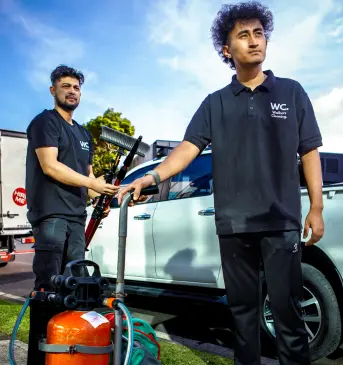
The way to avoid all three mistakes is to vet cleaners properly before hiring. This isn’t about finding the most expensive option. It’s about asking the right questions to identify competent, trustworthy providers.
This process takes less time than dealing with poor results and re-hiring. And it protects you from the frustration, cost, and reputational damage of carpets that look worse after cleaning.
For more guidance on evaluating service providers, visit our homepage or explore our article on how to Track Cleaning Performance Commerical Cleaning Sydney.
The Three Questions That Reveal Real Expertise
Ask these three questions before hiring:
1. What method do you recommend for our specific carpet type, and why? Good answers are specific. They reference your carpet fibre, age, and condition. They explain why hot water extraction, dry cleaning, or encapsulation is appropriate for your situation. Vague answers like “we use the best method” are red flags.
2. How do you train your staff, and how long have your current cleaners been with you? Look for formal training programs and low turnover. Experience and credentials of the cleaning personnel are critical factors. If the company can’t answer this clearly, they don’t invest in training.
3. What’s included in your standard service versus what costs extra? This reveals whether pre-treatment, spot work, furniture moving, and deodorising are included or add-ons. It also shows whether the company is transparent about pricing or hides costs until after the job.
Experienced cleaners can explain their process clearly. If answers are vague or evasive, move on.
Insurance, Trade Memberships, and References: The Non-Negotiables
Verifying a cleaning company’s insurance, such as public liability and workers’ compensation, is crucial to avoid legal and financial risks. If something goes wrong—damaged carpets, injured staff, theft—you need to know the company is covered.
Trade memberships often require positive reviews for membership, which provides an additional layer of accountability. Ask which industry associations the company belongs to and verify membership.
Ask for recent references from similar businesses—office buildings, commercial spaces, not residential homes. Then actually call them. Skipping reference checks exposes you to security risks, especially as cleaners often work after hours with access to sensitive areas.
Trial Periods and Exit Clauses That Protect You
Long-term contracts without flexibility may trap businesses in unsatisfactory services. Negotiate a trial period (three months is reasonable) or clear exit clauses before committing to annual contracts.
Reputable companies are confident enough in their work to offer this flexibility. If a company pressures you into a long contract with no exit option, that’s a red flag. They’re either inexperienced or aware their service quality won’t hold up over time.
Protect yourself. Insist on trial periods or exit clauses in writing before signing.
Clean Carpets Start with Better Hiring Decisions
Dirty carpets after cleaning aren’t inevitable. They’re the result of three specific hiring mistakes: choosing based on price alone, using the wrong method for your carpet type, and failing to define clear expectations.
Each mistake is avoidable. Vet cleaners properly by asking the right questions, checking credentials, and protecting yourself with trial periods. Verify insurance and trade memberships. Get the scope of work in writing. Set realistic expectations for stain removal.
Before you sign your next cleaning contract, use this checklist. It takes less time than dealing with poor results, and it ensures you’re hiring for results, not just the lowest price.
For a comprehensive overview of what to expect from professional services in 2026, read our guide to 2026 Commercial Cleaning Services Sydney.