
You walk into the office on Monday morning and notice the kitchen bench is sticky. The bathroom has a faint smell. There’s visible dust on the reception desk. You’re paying for cleaning, but clearly something isn’t working. The question hits you: are we cleaning enough, or are we just wasting money on the wrong schedule?
This isn’t about perfectionism. It’s about making a practical decision that affects how often your staff call in sick, how productive they are when they’re there, and what clients think when they walk through your door. Get the frequency wrong and you’ll either waste money on unnecessary daily cleaning or watch your workplace deteriorate while wondering why morale is dropping.
This guide gives you clear frequency recommendations based on your office size and space type. You’ll know exactly what needs cleaning daily, what can wait until weekly, and when to schedule deep cleans. No guesswork.
The Real Cost of Getting This Wrong
When you under-clean, the consequences show up in your budget. Staff take more sick days because germs accumulate on shared surfaces. Productivity drops when people work in spaces that feel neglected. Clients notice the fingerprints on the glass door and the dust on the meeting room table, and it colours their impression of how you run your business.
But over-cleaning wastes money just as effectively. A small office paying for daily cleaning when twice-weekly would suffice is throwing away thousands of dollars annually. One medium-sized office in Sydney switched from weekly to three-times-weekly cleaning after noticing persistent bathroom odours and sticky kitchen surfaces. Within a month, sick days dropped and staff stopped complaining about the state of shared spaces. The cost increase was $180 per week. The reduction in sick leave alone covered it.
The trick is matching frequency to actual usage. More people means more dirt, more bathroom visits, more kitchen mess. That’s where office size becomes your starting point.
What Your Office Size Actually Tells You

Staff count drives cleaning frequency because it directly correlates with how quickly spaces get dirty. Ten people using one bathroom creates a different situation than fifty people using the same facilities. The kitchen in a five-person office might stay relatively clean for days. In a thirty-person office, it’s a disaster zone by lunchtime.
We’ll break this into three categories: small offices (1-10 staff), medium offices (10-50 staff), and large offices (50+ staff). These give you baseline recommendations. Other factors will modify these, but size is where you start.
Small offices (1-10 staff): 1-2 times per week
For general office areas with this staff count, 1 to 2 times per week is sufficient. Low foot traffic means dirt accumulates slowly. Shared spaces aren’t heavily used. Desks stay relatively clean between visits.
Schedule cleaning on Monday or Tuesday to reset after the weekend. If you’re doing two cleans weekly, add Thursday or Friday to maintain freshness. This handles vacuuming, dusting, and general tidying without over-servicing spaces that simply don’t get that dirty.
Important caveat: bathrooms and kitchens still need more frequent attention. We’ll cover that shortly.
Medium offices (10-50 staff): 2-3 times per week
This is where 2-3 cleanings per week becomes the sweet spot. Dirt accumulates faster with more people, but daily cleaning is still overkill for most spaces. Monday or Tuesday resets the office after the weekend. Wednesday maintains cleanliness mid-week. Friday prepares the space for the following week.
If your staff count is closer to 50, lean toward three times weekly. The difference between 15 people and 45 people is significant in terms of how quickly bins fill, how often the kitchen needs wiping, and how much dust accumulates. For more guidance on structuring your cleaning approach, our Track Cleaning Performance Commerical Cleaning Sydney resource covers how to monitor whether your current schedule is working.
Large offices (50+ staff): Daily cleaning required
Daily cleaning is non-negotiable at this scale. With 50+ people, bathrooms reach capacity quickly. Kitchen bins overflow. High-traffic areas show visible dirt by mid-afternoon. Large offices with 50 or more employees should be cleaned daily to maintain basic functionality.
Daily cleaning should focus on high-traffic areas: bathrooms, kitchens, reception, bins, and floors. Deep cleaning tasks like carpet shampooing and window washing get scheduled separately. This isn’t excessive. It’s what’s required to maintain a workspace that doesn’t actively hinder productivity.
The Spaces That Don’t Follow the Rules

Certain areas need more frequent cleaning regardless of your overall office size. These are high-use or high-risk spaces where hygiene and functionality matter most. A five-person office still needs daily bathroom cleaning. A ten-person office still needs daily kitchen attention. These spaces don’t wait for your general cleaning schedule.
Bathrooms and kitchens: Daily, regardless of office size
Even small offices need daily bathroom and kitchen cleaning. Hygiene requirements and rapid mess accumulation make this non-negotiable. Daily tasks include emptying bins, wiping surfaces, restocking supplies, and disinfecting sinks and toilets.
A five-person office might seem like it could skip a day. It can’t. The kitchen becomes sticky after one day of coffee spills and lunch prep. The bathroom develops an odour. These spaces deteriorate faster than general office areas because they involve food, water, and bodily functions.
Don’t overcomplicate this. These spaces can’t wait for the general cleaning schedule. They need attention every single day.
High-touch surfaces: Multiple times daily in 2026
Door handles, light switches, shared equipment, and lift buttons need cleaning multiple times per day. NSW Health 2024 recommendations established this as standard practice, and it’s what employees and clients now expect.
Practical implementation: morning clean before staff arrive, midday wipe-down, end-of-day sanitisation. This isn’t excessive. It’s baseline hygiene in 2026. If you’re still treating high-touch surfaces as a weekly task, you’re behind.
Reception and client-facing areas: Daily minimum
Reception, meeting rooms, and client areas need daily cleaning regardless of office size. These spaces directly impact business reputation. Visible dust, fingerprints, or mess sends the wrong message to clients and visitors.
Clean these areas first thing in the morning before clients arrive. This isn’t about appearances alone. It’s about client trust and business credibility. A messy reception area suggests operational sloppiness. Clients notice.
When Daily Isn’t Enough: The Deep Clean Schedule
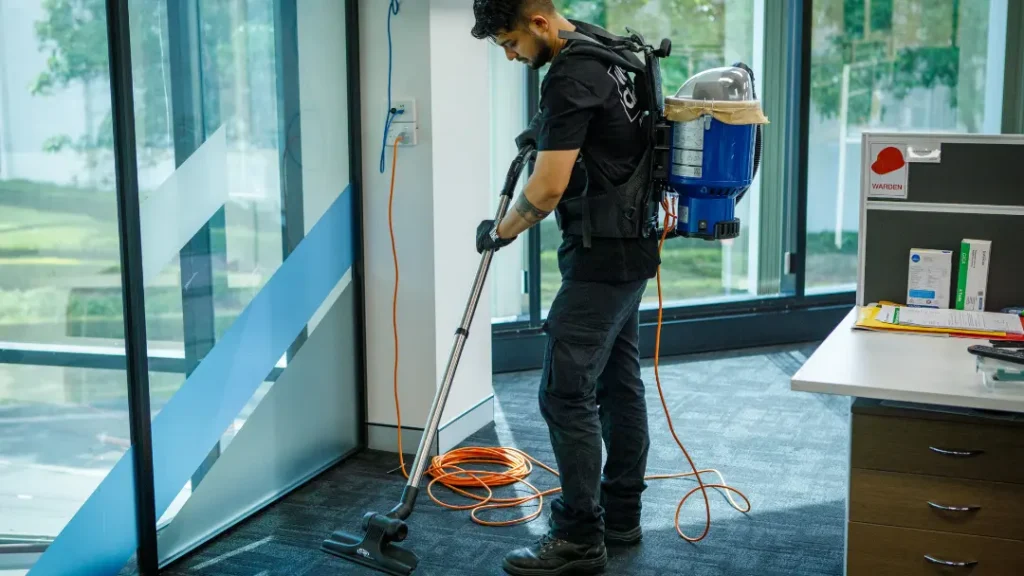
Routine cleaning handles daily mess. Deep cleaning prevents long-term buildup and maintains the workspace beyond surface-level tidiness. These tasks address areas that daily cleaning misses but that accumulate dirt over weeks or months.
Monthly: Carpets, floors, and detail work
Monthly tasks include deep carpet cleaning, floor polishing, detailed dusting of vents and edges, and sanitising furniture. These address areas that daily cleaning misses but that accumulate dirt over weeks.
Schedule monthly deep cleans on weekends or after hours to avoid disrupting work. This isn’t optional. It’s essential maintenance that extends the life of office furnishings and prevents the gradual decline that makes offices feel tired and neglected.
Quarterly: Windows, vents, and full sanitisation
Quarterly tasks include window cleaning inside and out, air vent cleaning, full office sanitisation, and deep cleaning of hard-to-reach areas. These tasks address slower-accumulating issues like window grime and vent dust.
Coordinate quarterly cleans with seasonal changes or end-of-quarter business cycles. In Australia, allergy season may require additional attention to vents and dust. These tasks are less frequent because they’re less urgent, but skipping them means gradual deterioration that eventually requires expensive remediation.
The Four Signs You’re Cleaning Too Little
Walk through your office right now and check for these four things. Even one indicates your cleaning frequency needs increasing.
First: overflowing bins between cleans. If bins are full before the next scheduled clean, you’re not cleaning often enough. Second: persistent bathroom odours. If the bathroom smells even after cleaning, you need more frequent attention. Third: sticky kitchen surfaces. If benches feel tacky to the touch, daily cleaning isn’t happening. Fourth: visible dust on desks. If you can write your name in the dust, your schedule is inadequate.
These are diagnostic tools you can use today. Don’t wait for staff complaints or client comments. Check now.
Setting a Schedule That Actually Works
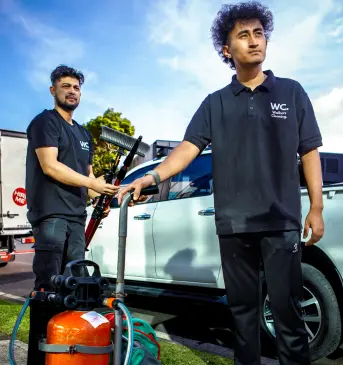
Start with three steps. First, determine your baseline frequency from office size. Second, add daily cleaning for high-risk areas like bathrooms, kitchens, and high-touch surfaces. Third, schedule monthly and quarterly deep cleans.
Specify exactly what gets cleaned during each visit. Confusion with cleaning providers happens when expectations aren’t documented. List tasks by frequency: daily, weekly, monthly, quarterly. Review the schedule quarterly based on the four warning signs above. If you’re seeing any of those signs, increase frequency.
Getting this right prevents the costs and problems we discussed at the start: fewer sick days, better productivity, stronger client impressions. For a comprehensive overview of what modern commercial cleaning should include, visit our 2026 Commercial Cleaning Services Sydney page.
Start by assessing your current frequency against these guidelines this week. Check for the four warning signs. Adjust your schedule accordingly. This isn’t complicated, but it does require honest assessment of what’s actually happening in your office right now.