
You’ve switched cleaning contractors twice this year. The first month always looks promising, then the quality slides. Dusty desks reappear. Bins get missed. The boardroom you specifically mentioned still isn’t getting proper attention. You’re not imagining it, and you’re not alone.
The problem isn’t that you keep choosing bad contractors. It’s that you’re choosing contractors who can’t keep their staff. When cleaners leave after a few weeks, they take all the site-specific knowledge with them. The new person doesn’t know your facility’s quirks, your priorities, or which areas need daily attention versus weekly. You’re back to square one, explaining everything again.
This article will help you diagnose whether your contractor has a retention problem, implement systems that protect quality when staff do change, and recognise when it’s time to walk away. You can fix this, but first you need to understand what’s actually going wrong.
Why Your Cleaning Quality Keeps Dropping (Even When You Switch Contractors)

Switching contractors doesn’t fix anything if the new one has the same underlying turnover issues. You might get a brief honeymoon period when the account manager is paying close attention, but once the initial scrutiny fades, the pattern repeats.
Those inconsistent results like unemptied bins and dusty desks aren’t random. They’re symptoms of constant staff changes. A cleaner who’s been at your site for three months knows that the reception bins must be emptied before 8am because visitors start arriving early. A cleaner on their second week doesn’t. They’re following a generic checklist that says “empty bins” without understanding the timing matters.
The real issue is that most cleaning companies operate with high turnover as their baseline. They’ve built their business model around it. When you switch to a new contractor with the same model, you’re just resetting the clock on the same problem.
The Real Problem Isn’t the Cleaning Company
High staff turnover in the cleaning industry is the root cause. High turnover suggests toxic work culture or poor management, not individual cleaner incompetence. When cleaners leave after a few weeks, they never learn your facility’s specific needs. They’re gone before they understand why the carpet in the boardroom needs immediate attention if anything spills, or that the kitchen requires extra focus on Friday afternoons.
This isn’t about blaming individual cleaners. Most are trying to do a good job with inadequate support. The problem is systemic. Companies that don’t invest in retention create a revolving door that guarantees inconsistent results.
What High Turnover Actually Costs You
The obvious cost is constant re-training time. Every new cleaner needs to learn your site from scratch. But the hidden costs run deeper.
You lose site-specific knowledge. A cleaner who’s been with you for six months knows that the air conditioning vents in the server room collect dust faster than anywhere else. They know the glass doors in reception show fingerprints badly and need daily attention. A new cleaner doesn’t, and won’t for months.
Then there’s your own time. Every few weeks, you’re re-explaining requirements to someone new. You’re fielding complaints from staff about missed areas. You’re following up on basics that should be automatic by now.
Cleaning staff require proper training to achieve a sanitised and disinfected environment. When turnover is high, that training never happens properly. New cleaners get a quick walkthrough and are left to figure it out. They don’t know which products work on which surfaces. They don’t understand the difference between cleaning and sanitising. The quality suffers, and so does your facility.
Find Out Why Your Contractor Can’t Keep Staff

Photo by RDNE Stock project on Pexels
Most contractors won’t volunteer that they have a retention problem. You need to ask specific questions and watch for evasive answers. Think of this as detective work. You’re looking for patterns that reveal whether this contractor can actually deliver consistent quality, or whether you’re signing up for the same turnover cycle.
Ask These Three Questions During Your Next Review Meeting
Start with: “How long has our current cleaner been with your company?” If they can’t answer immediately, that’s a red flag. If the answer is “a few weeks” or “recently started,” you know why quality is inconsistent.
Follow with: “What’s your average staff retention rate?” Push for specific numbers, not vague reassurances. A contractor who tracks retention will have this data. One who doesn’t is telling you it’s not a priority.
Finally: “What training did our cleaner receive before starting here?” Proper training is essential and not inherent knowledge. You want to hear about site-specific induction, equipment training, and safety protocols. If the answer is “they shadowed someone for a day,” that’s not training.
Don’t accept generic answers. If they say “our retention is good for the industry,” ask what that means in months. If they say “we train everyone thoroughly,” ask to see the training records for your site.
Warning Signs in How They Talk About Their Team
Listen to how your contractor’s management talks about their cleaners. If they refer to them as “just cleaners” or blame staff for problems, you’re seeing their workplace culture in action. If they talk about high turnover as “normal in the industry,” they’ve accepted it as inevitable rather than something to fix.
Positive signs sound different. Contractors who retain staff talk about career development. They mention long-serving team members by name. They discuss training programmes as ongoing investments, not one-off inductions. When problems arise, they talk about systems and processes, not individual blame.
The language reveals underlying attitudes. A contractor who values their staff will talk about them differently than one who sees them as interchangeable.
What Their Training Records Actually Reveal
You have the right to ask for proof of training for cleaners working at your site. Proper training records should include site-specific induction, equipment training, and safety protocols. They should be dated and detailed.
If the contractor can’t produce these records, the training probably didn’t happen. What they call training was likely a quick walkthrough with another cleaner who’s only been there a month themselves. Inadequate training is a common root cause of cleaning failures.
Documentation matters because it shows the contractor takes training seriously enough to track it. Lack of documentation usually means lack of training.
Set Up Systems That Survive Staff Changes
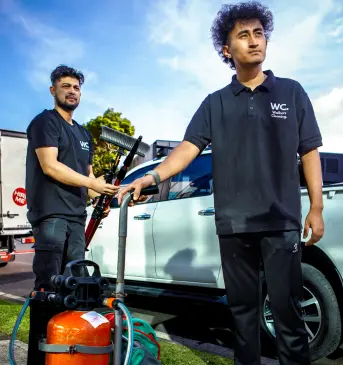
You can’t prevent all turnover, but you can minimise its impact on quality. The key is creating institutional memory that doesn’t leave when individual cleaners do. These aren’t nice-to-haves. They’re non-negotiable requirements you should demand from your contractor.
Require Documented Handovers Between Cleaners
When a cleaner leaves, the replacement needs more than a generic checklist. They need written notes on site-specific quirks, problem areas, and your preferences. This should be a document you can review, not just a verbal chat in the car park.
A proper handover includes details like: “The boardroom carpet stains easily, needs immediate attention if anything spills” or “Reception bins must be emptied by 8am before visitors arrive.” These specifics make the difference between adequate cleaning and cleaning that actually works for your facility.
Don’t accept “we’ll tell them.” Insist on documented handovers. If your contractor resists, they’re not serious about maintaining quality through staff changes. For more on tracking and maintaining standards, see our guide on Track Cleaning Performance Commerical Cleaning Sydney.
Build Site-Specific Checklists (Not Generic Ones)
Generic checklists say “clean toilets.” Site-specific checklists say “clean 3 toilets on Level 2, check soap dispensers, restock by 9am.” The difference is actionable detail.
Your checklist should include specific locations, frequency, quality standards, and time expectations. Lack of checklists means no proof of service completion, which affects both accountability and your peace of mind.
Site-specific checklists help new cleaners get up to speed faster. They provide clear expectations and create accountability. When quality drops, you can point to the checklist and ask why specific tasks weren’t completed.
Schedule Weekly Photo Evidence Reviews
Photo evidence creates objective quality records that survive staff changes. Pick 5-10 key areas: high-traffic zones, problem areas, detailed work like window sills. Have your cleaner photograph these weekly, same day, same angle.
Use the photos to compare week-to-week. You’ll spot declining standards early, before they become major problems. Photos also provide clear feedback. Instead of saying “the kitchen isn’t clean enough,” you can show exactly what you mean.
This doesn’t need to be burdensome. A few photos that tell the quality story are more valuable than dozens of random shots. Focus on areas that matter most to your business.
When to Walk Away From Your Current Contractor
Sometimes the contractor relationship can’t be saved. That’s okay. You need to distinguish between contractors willing to improve versus those with fundamental culture problems. Not every issue is fixable, and recognising that saves you time and frustration.
The Difference Between Fixable Problems and Broken Culture
Fixable problems look like this: the contractor is receptive to feedback, willing to implement the systems you’ve requested, and shows measurable improvement within 4-6 weeks. They might not get everything perfect immediately, but you can see genuine effort and progress.
Broken culture looks different. You get defensive responses when you raise concerns. They blame staff rather than examining their own systems. High turnover is presented as normal, not as a problem to solve. They resist documentation and accountability measures.
Here’s a clear test: if you’ve raised the same concerns three times with no improvement, it’s a culture problem, not a training issue. Don’t give unlimited chances. Set a clear timeline for improvement and stick to it. If you’re evaluating new options, our 2026 Commercial Cleaning Services Sydney overview can help you understand what to look for.
Protecting Your Business While You Transition

Transitioning contractors doesn’t have to mean quality collapse. The systems you’ve built, checklists, photo evidence, documented handovers, make onboarding a new contractor much faster. They can see exactly what your standards are and what the previous contractor was doing.
Schedule an overlap period if possible. Have the new contractor shadow the current one for a week, using your documentation as the training guide. This transfers knowledge without relying on the old contractor’s goodwill.
Communicate clearly with your new contractor about why you’re switching. If it was turnover-related quality issues, tell them. Explain the systems you’ve implemented and why they’re non-negotiable. A good contractor will appreciate the clarity. A poor one will resist the accountability.
You now have tools to diagnose problems, demand better, and transition smoothly when needed. Switching contractors isn’t failure. It’s a business decision based on clear criteria. The systems you’ve built make you less vulnerable to any single contractor’s turnover problems. Use them. For more information about our approach to consistent, reliable service, visit our homepage.