
You’re paying for carpet damage right now. Not next year when you finally replace those worn sections. Not when a client mentions the stains. Today. Every day you postpone proper maintenance, you’re transferring money from your cleaning budget to a much larger replacement bill. The question isn’t whether inconsistent carpet care costs you money. It’s how much, and whether you’re tracking it.
Most business owners think about carpet cleaning the way they think about car washes: do it when it looks dirty, skip it when you’re busy. That logic works for cars. It doesn’t work for commercial carpets. The costs that matter most never appear on a cleaning invoice. They show up as early replacements, wasted management time, and clients who don’t come back without telling you why. If you’re cleaning carpets reactively rather than systematically, you’re almost certainly spending more than you need to. Here’s what that actually costs.
When ‘Good Enough’ Cleaning Costs You More Than You Think
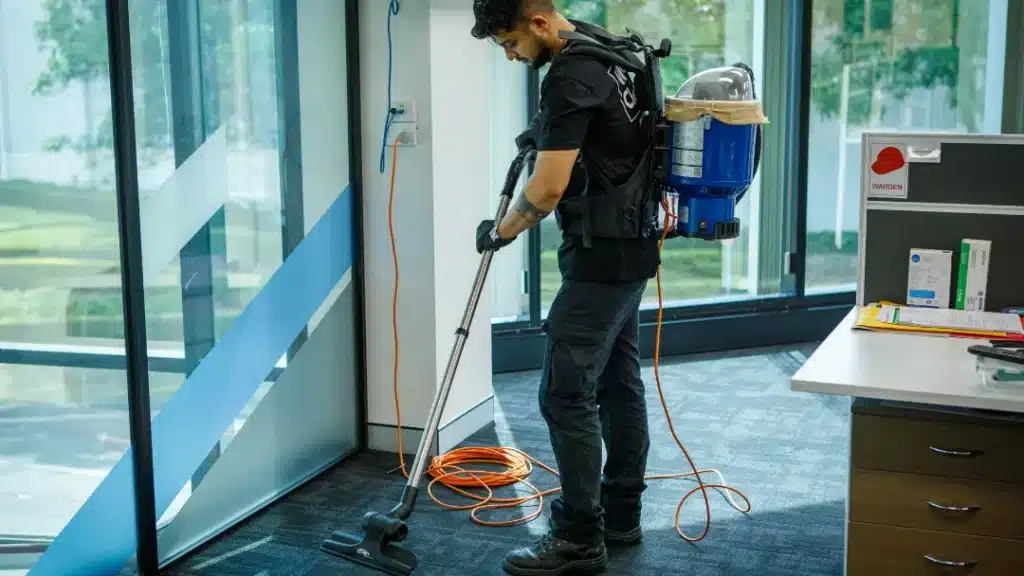
Picture this: you run a professional services firm. The carpets get vacuumed daily by your cleaner. You arrange a deep clean when someone complains or when you notice the traffic paths looking grey. You’re not neglecting maintenance. You’re just being practical about it, right?
Wrong. By the time carpet looks visibly dirty, the damage is already done. Soil particles embed into fibres. Oils from foot traffic bond to the pile. What you’re seeing is the surface problem. What you’re paying for is structural degradation that’s been happening for weeks.
When was the last time you scheduled carpet cleaning versus reacted to a complaint? If you’re honest, you probably can’t remember booking a clean before someone mentioned it. That’s the pattern that costs you. Not because you’re careless, but because the real damage happens invisibly. For businesses across Sydney looking to shift from reactive to proactive maintenance, Walkerscleaning specialises in scheduled commercial carpet care that prevents problems rather than responding to them.
The Compounding Expense: What Happens When Carpets Get Cleaned ‘Sometimes’
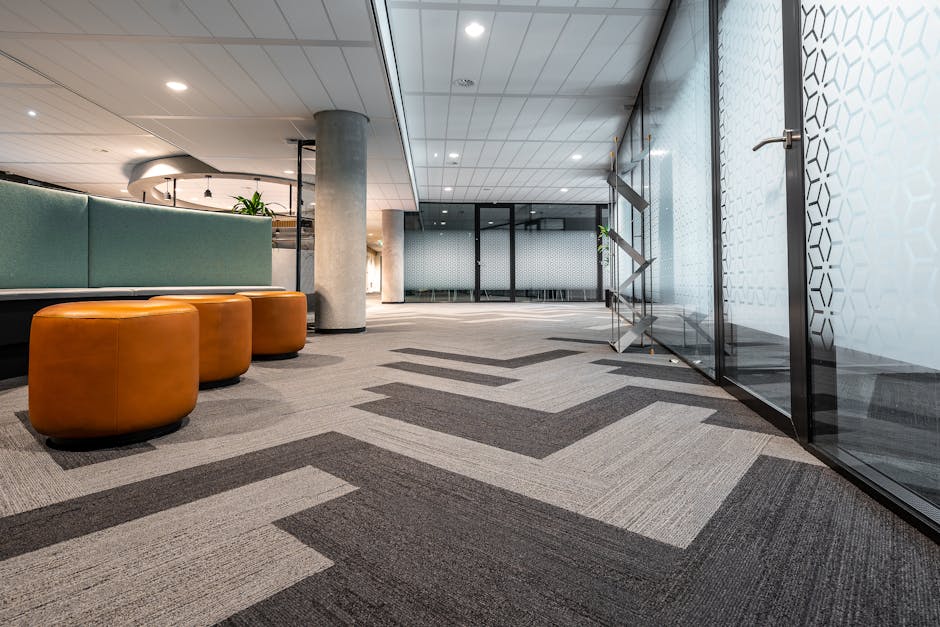
Photo by Mike van Schoonderwalt on Pexels
Dirt doesn’t just sit on carpet. It grinds into it. Every footstep presses soil particles against fibres, creating friction that acts like sandpaper. The longer dirt stays embedded, the more permanent the damage becomes. This is compounding damage: each week of delay makes the next cleaning less effective and the carpet harder to restore.
You’re not saving money by postponing cleaning. You’re transferring it to a bigger bill later. The $200 deep clean you skip this month becomes a $400 restoration attempt in six months, then a $15,000 replacement in three years instead of eight. The maths is brutal once you see it.
Replacement Costs That Sneak Up on You
Commercial carpet should last seven to ten years with proper maintenance. Without it, you’re looking at replacement in three to five years. That’s not a small difference.
Let’s make this concrete. You install $15,000 worth of carpet in your office. With quarterly deep cleaning and monthly maintenance at $200 per session, you spend $2,400 annually. Over eight years, that’s $19,200 in maintenance plus the original $15,000 carpet cost. Total: $34,200.
Now run the numbers on inconsistent care. You skip regular maintenance, spending maybe $800 per year on emergency cleans when things look bad. The carpet fails after four years. You replace it, then replace it again four years later. Two carpet installations at $15,000 each plus eight years of sporadic cleaning at $800 annually: $36,400.
The ‘savings’ from skipping maintenance? They don’t exist. You’ve spent $2,200 more and dealt with the disruption of two full carpet replacements instead of none. And that’s before counting the other costs.
The Labour Hours You’re Wasting on Complaints and Rework
How much time do you spend managing carpet problems? Two hours per month is conservative for most businesses. That’s fielding staff complaints about stains, arranging emergency cleans, dealing with disputes when the cleaning company says the carpet is too far gone for standard treatment.
At $40 per hour for management time, that’s $960 annually spent on crisis management. Add emergency callout fees, which typically cost 30-50% more than scheduled maintenance, and you’re easily over $1,500 per year in hidden labour and premium service costs.
Ask yourself: how much is your time worth when you’re managing cleaning crises instead of running your business? Because that’s the choice you’re making every time you postpone systematic maintenance.
Lost Business You Can’t Track Back to Your Floors
Clients don’t tell you they chose a competitor because your office looked tired. They just don’t come back. You’ll never get an email saying “we went with another firm because your carpets had visible stains in the reception area.” But the decision happens anyway.
Think about a client visiting for a pitch meeting. They walk into your reception, and within seven seconds they’ve formed an impression. Stained carpets, worn traffic paths, that slightly musty smell that comes from infrequent deep cleaning. They’re not consciously thinking “unprofessional.” They’re subconsciously questioning your attention to detail. If you don’t maintain your own space, will you maintain their account?
This matters most in client-facing businesses: law firms, accountancy practices, consultancies where trust and professionalism are the product you’re selling. Your carpet is part of that pitch whether you want it to be or not.
Why Inconsistency Damages More Than Just Carpets

Photo by RDNE Stock project on Pexels
The direct financial costs are measurable. The ripple effects multiply the problem. Inconsistent maintenance signals inconsistent standards across your business. It’s not just about floors. It’s about what those floors communicate.
Client Perception: The First Impression That Lingers
Clients form impressions in the first seven seconds of entering your space. Floors are part of that assessment. They’re not scrutinising your carpet pile. They’re absorbing an overall sense of how you run your operation.
Compare two scenarios. A client enters a law firm with fresh, clean carpets. The space feels maintained, current, professional. Now imagine the same client entering a similar firm with visible wear paths and coffee stains near the reception desk. Same furniture, same artwork, different carpet condition. Which firm feels more reliable?
What does your carpet say about your standards before you’ve said a word? Because it’s saying something, whether you’re managing that message or not.
Staff Morale in Spaces That Look Neglected
Staff notice when their workspace isn’t maintained. They interpret it as lack of investment in them. This isn’t melodramatic. It’s how people actually feel about their work environment.
Carpet condition connects to retention in ways that are hard to measure but easy to observe. Employees who feel valued are less likely to leave. Employees who work in spaces that look neglected start to feel neglected themselves. You’ll notice it when staff stop mentioning office issues because “nothing gets fixed anyway.”
You can’t fix morale with one deep clean. But you can prevent the erosion that comes from visible neglect. Consistent maintenance signals that you care about the environment your team works in. Inconsistent maintenance signals the opposite.
What Reliable Maintenance Actually Looks Like (and What It Saves)
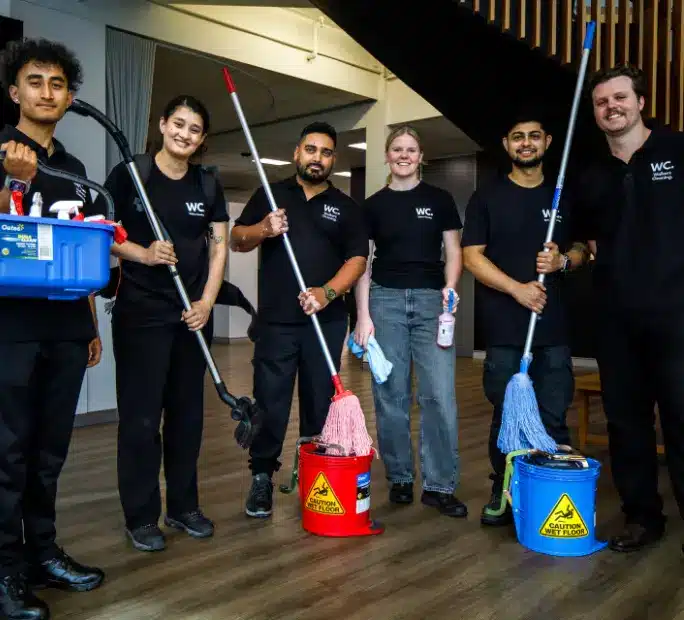
This is fixable. The fix is simpler than dealing with the problems. Reliable maintenance isn’t about intentions. It’s about systems. You need a schedule that runs whether you remember it or not.
Fixed Schedules vs. ‘When We Remember’ Approaches
Two approaches: scheduled quarterly deep cleans plus monthly maintenance, versus cleaning when carpets “look bad.” The first costs less per visit because carpets never reach crisis point. The second costs more because you’re always playing catch-up.
A practical schedule for most commercial spaces: high-traffic areas vacuumed daily, full space deep cleaned quarterly, spot treatment within 24 hours of any spill. That’s not excessive. That’s baseline protection for your investment.
Put recurring calendar appointments in now for the next 12 months. Make them non-negotiable. Treat carpet maintenance the way you treat insurance premiums: something you pay regardless of whether you feel like it. If you need help establishing a systematic approach, tracking cleaning performance ensures your maintenance schedule actually delivers results.
The Real ROI of Preventative Care
Let’s calculate a simple ROI. You spend $2,400 per year on maintenance. Without that maintenance, you replace $15,000 worth of carpet every four years instead of every eight years. That’s an extra $15,000 every four years, or $3,750 annually in accelerated replacement costs.
Preventative care pays for itself in extended carpet life alone. That’s before counting fewer complaints, better client impressions, higher staff satisfaction, and the management time you’re not spending on crisis response.
Here’s a formula you can apply to your own situation: take your current carpet value and divide it by expected lifespan with maintenance (8 years) versus without (4 years). The difference is what inconsistent care costs you annually. For businesses evaluating their options in 2026, commercial cleaning services in Sydney have evolved to offer flexible maintenance plans that match your actual usage patterns.
Turning Carpet Maintenance from a Cost Centre into a Business Asset
Carpet maintenance isn’t a cost centre. It’s an investment that protects multiple business assets: your physical space, your reputation, your staff morale. The hidden costs of inconsistent maintenance far exceed the visible cost of regular care. You’ve seen the numbers. They’re not theoretical.
Your next step: audit your current carpet maintenance schedule. If you don’t have one, that’s your answer. Calculate what inconsistency is actually costing you using the formula above. Then fix it.
You now know the real numbers. Fixing this is within your control. If you need expert guidance establishing a maintenance system that actually works for your space, contact Walkerscleaning for a consultation. They’ll help you shift from reactive crisis management to proactive asset protection. The carpets you save will be your own.