
You’ve seen it happen. Carpets cleaned on Friday look spotless. By Monday morning, the traffic lanes are back, spots have reappeared, and the whole floor looks dull again. It’s frustrating, expensive, and makes you question whether professional cleaning is worth the cost at all.
Here’s the thing: this isn’t about carpet quality or bad luck. It’s about cleaning methods that leave your carpets worse off than before. The good news? Once you understand what’s actually happening, you can fix it. This guide reveals the technical reasons behind rapid re-soiling and gives you practical specifications to demand from your contractors.
The frustration of carpets that look clean for 48 hours

Picture this: your cleaning contractor finishes up Thursday afternoon. The carpets look great. You come in Monday morning and the main walkways already look grimy. The spots near the kitchen are back. The overall appearance is dull and tired.
This creates real problems. You’re paying for cleaning more frequently than you budgeted for. You’re scheduling disruptions to operations. And you’re fielding complaints from staff and visitors about the state of the floors.
This isn’t your fault. It’s not even necessarily your contractor’s fault if they don’t understand what’s causing it. This is a solvable technical problem, and you’re about to learn exactly how to solve it. For facility managers looking to improve their overall approach, our Track Cleaning Performance Commerical Cleaning Sydney resource offers additional strategies for monitoring results.
Sticky residue: The invisible dirt magnet left behind
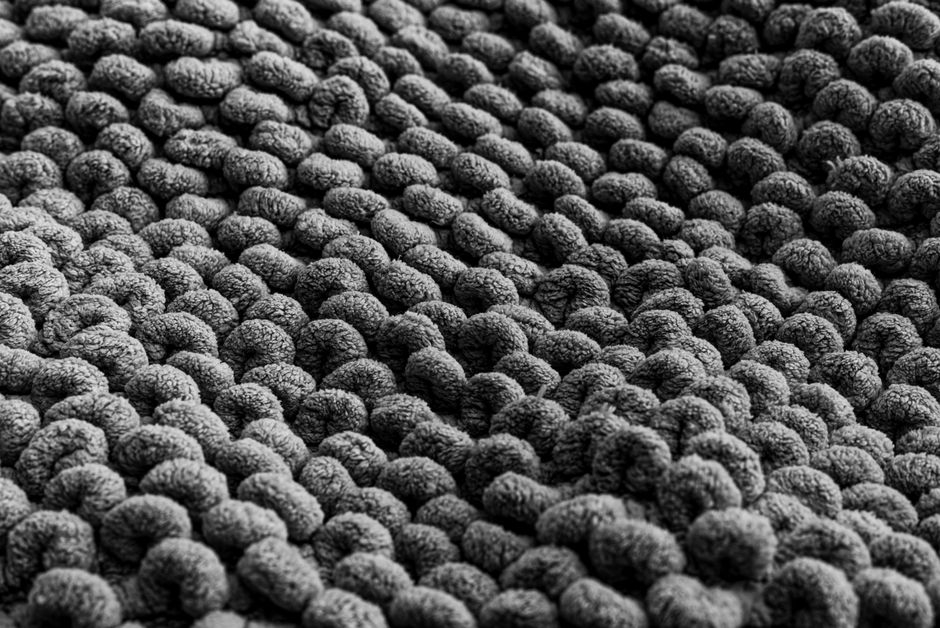
Photo by Alex Dos Santos on Pexels
The biggest culprit behind rapid re-soiling is something you can’t see: sticky soap and detergent residues left in your carpet fibres. These residues act like magnets for dirt.
Think of it like washing your hair with shampoo but never rinsing. Your hair would attract more dirt and oil than if you hadn’t washed it at all. The same principle applies to carpets. Traditional carpet cleaning methods often leave sticky residues from soaps and detergents, which attract dirt quickly and make your carpets look worse faster than they should.
DIY solutions compound this problem because rental machines typically lack the extraction power to rinse completely. Each cleaning adds another sticky layer.
Why traditional detergents leave a film
Many commercial detergents are formulated to clean effectively but not to rinse out completely. The soap molecules bind to dirt, which is exactly what you want. But if those molecules aren’t properly extracted, they stay in the carpet fibres.
This matters because detergents need to effectively remove oily residues to prevent rapid dirt accumulation. If they don’t, or if they’re not rinsed out, they contribute to the problem rather than solving it.
The chemistry isn’t complicated. Soap attracts dirt. If soap stays in your carpet, dirt follows.
The rinse test most cleaners skip
Here’s a simple test you can run yourself: after your carpets are “cleaned,” take a clean, damp white cloth and rub it over the surface. If the cloth comes up soapy or dirty, your carpets weren’t rinsed properly.
Thorough rinsing prevents sticky residue build-up. Many cleaners skip this step or rush through it to save time. That time saving costs you money in the long run because you’ll need cleaning more frequently.
Add this to your contractor specifications: you want to be able to run this test and have the cloth come up clean. It’s a simple checkpoint that protects your investment.
How DIY machines make the problem worse
Rental machines seem cost-effective. They’re not. They typically have weak suction and leave more moisture and residue behind than professional equipment. DIY carpet cleaning solutions may not rinse out completely, leaving a sticky layer that attracts more dirt.
This creates a cycle: carpet looks worse, so you clean again, leaving more residue each time. After three or four DIY cleanings, you’ve built up so much residue that professional cleaning becomes more difficult and expensive.
DIY has its place for spot cleaning between professional services. But for whole-floor cleaning, the hidden costs outweigh the apparent savings.
Over-wetting: When moisture brings buried dirt to the surface
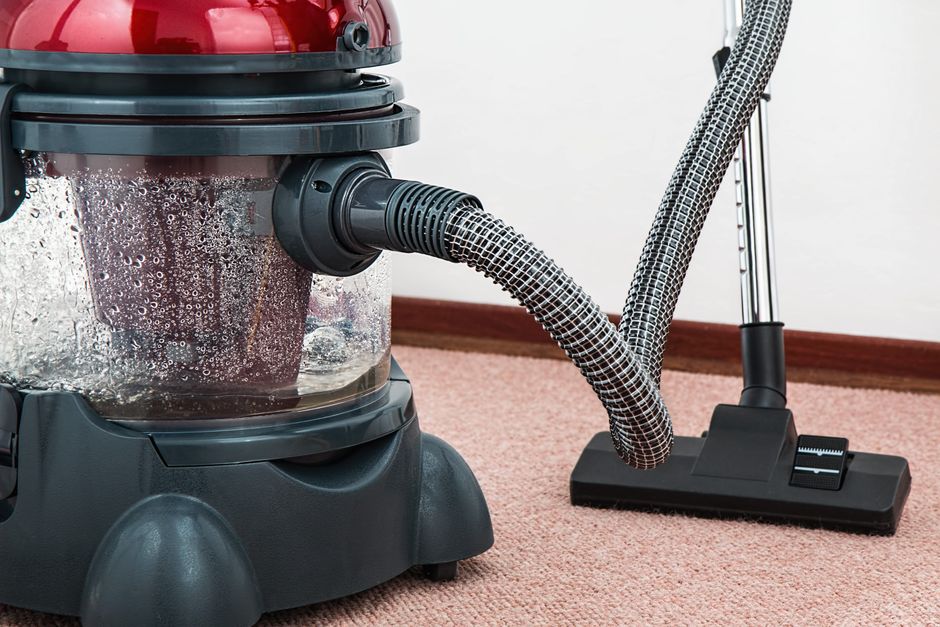
Photo by Pixabay on Pexels
Using too much water during cleaning can actually make carpets look dirtier as they dry. The moisture travels down to the carpet backing and base, picking up old dirt, oils, dust, sweat, and food residues that have accumulated below the surface. As the carpet dries, all that dissolved dirt comes back up.
This is especially problematic in high-traffic areas where carpets can collect oils, dust, sweat, and food residues below the surface. Excessive moisture brings all of it to the top.
Why carpets look worse as they dry
This is called wicking. As carpets dry, moisture evaporates upward, carrying dissolved dirt to the surface. Old stains that seemed gone reappear as the carpet dries out.
This is why carpets might look fine when wet but disappointing 24 hours later. You’re not imagining it. The dirt is literally wicking back to the surface as moisture evaporates. People call this “ghosting” or stains “bleeding back.”
The browning effect in high-traffic zones
On lighter carpets, excess water can cause ‘browning’ as jute backing wicks moisture upward. This appears as yellowing or browning in areas that get the most foot traffic.
This isn’t dirt returning. It’s cellulose browning from the carpet backing. Proper moisture control prevents this entirely.
What proper extraction actually looks like
There’s a difference between surface cleaning and true extraction that removes moisture from deep in the pile. Professional equipment should leave carpets only slightly damp, not soaking wet.
Here’s your benchmark: carpets should be dry enough to walk on within 2-6 hours. If they’re still wet 24 hours later, too much water was used or extraction was inadequate. Faster drying times indicate better extraction and better results.
Pre-treatment gaps that guarantee quick re-soiling
What happens before cleaning is just as important as the cleaning itself. Skipping preparation steps means cleaning solutions can’t work effectively, no matter how good they are.
Many contractors skip these steps to save time. This undermines the entire cleaning process. The following preparation requirements are non-negotiable if you want results that last.
Why vacuuming before cleaning isn’t optional
Vacuuming loose particles before steam cleaning prevents quick resoiling. When dry dirt gets wet, it turns to mud that’s harder to extract and leaves more residue.
Worse, scrubbing carpets without pre-vacuuming can push dirt deeper and rough up fibres, leading to quick re-soiling and permanent damage.
High-traffic areas need thorough vacuuming, not just a quick pass. This isn’t optional prep work. It’s essential.
The oil layer most cleaners ignore
Carpets accumulate an invisible layer of oils from foot traffic, spills, and air pollution. Water-based cleaning alone can’t break down these oils. When oils remain, they trap new dirt immediately.
Pre-spraying detergent specifically designed to break down oils is essential. This step must happen before the main cleaning, with proper dwell time (usually 10-15 minutes) to let the solution work.
If your contractor goes straight to extraction without pre-spraying, they’re cleaning the surface while leaving the oil layer intact.
Specifications to demand from your cleaning contractor
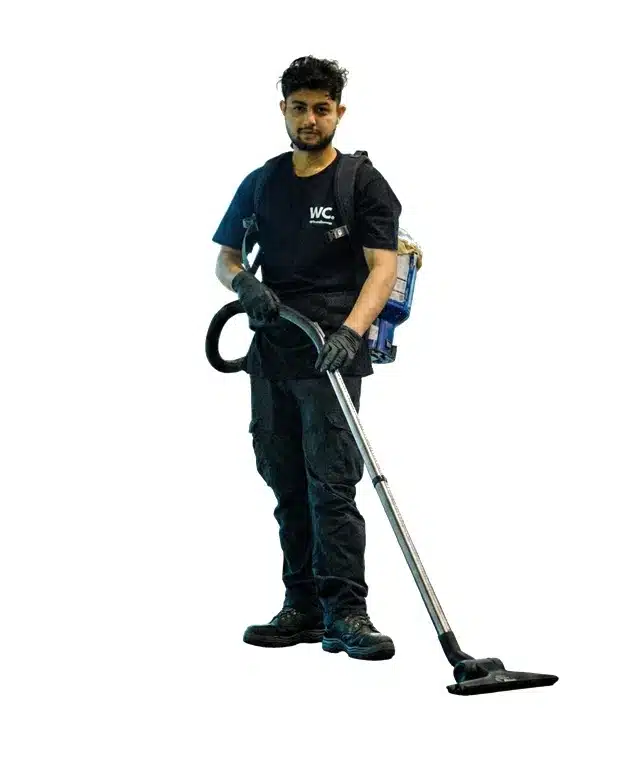
You now have the technical knowledge to demand better results. These aren’t unreasonable requests. They’re industry best practices. Contractors who resist these specifications are likely cutting corners. When evaluating providers, our 2026 Commercial Cleaning Services Sydney guide can help you understand what to look for.
Add these to your cleaning contracts to protect your investment in both carpets and cleaning budget.
Residue-free cleaning methods to require
Specify that contracts require low-residue or residue-free cleaning solutions. Contractors should be able to demonstrate their rinsing process and explain how their solutions avoid leaving sticky residues.
Include the cloth test as a verification method in your contract specifications. Some modern systems use solutions that don’t leave sticky residues at all, allowing carpets to stay cleaner for weeks instead of days.
Moisture limits and drying time standards
Specify that carpets must be dry to the touch within 6 hours maximum. Require contractors to use moisture meters and document moisture levels before and after cleaning.
Set a standard that carpets should never be soaking wet or squelching underfoot after cleaning. Proper extraction means less water use overall, which is better for carpets, faster for operations, and better for the environment.
The pre-treatment checklist
List three non-negotiable pre-treatment steps in your contract:
- Thorough vacuuming of all areas, with extra attention to high-traffic zones
- Oil-breaking pre-spray with appropriate dwell time (minimum 10 minutes)
- Immediate attention to spills, since older stains become more difficult to clean
This is a simple three-point checklist you can verify before contractors begin. If they can’t commit to these basics, find someone who can.
Carpets that stay clean aren’t magic — they’re method
The problem isn’t your carpets or bad luck. It’s correctable methods. You now have specific technical knowledge to demand better results from your contractors.
Implementing these standards means fewer cleanings, lower costs, and better-looking facilities. You can now have informed conversations with contractors and expect carpets that stay clean for weeks, not days.
The next time someone tells you carpets just get dirty quickly after cleaning, you’ll know that’s not true. Carpets get dirty quickly after bad cleaning. Good cleaning, done properly, delivers results that last.